Sarasota History
The making of Sarasota
A Scottish colonel who brought golf to Florida, a builder who once owned most of the town, and a circus king who left it a palace and a museum. The story behind the city you see today.
1886 to today
The cradle of American golf
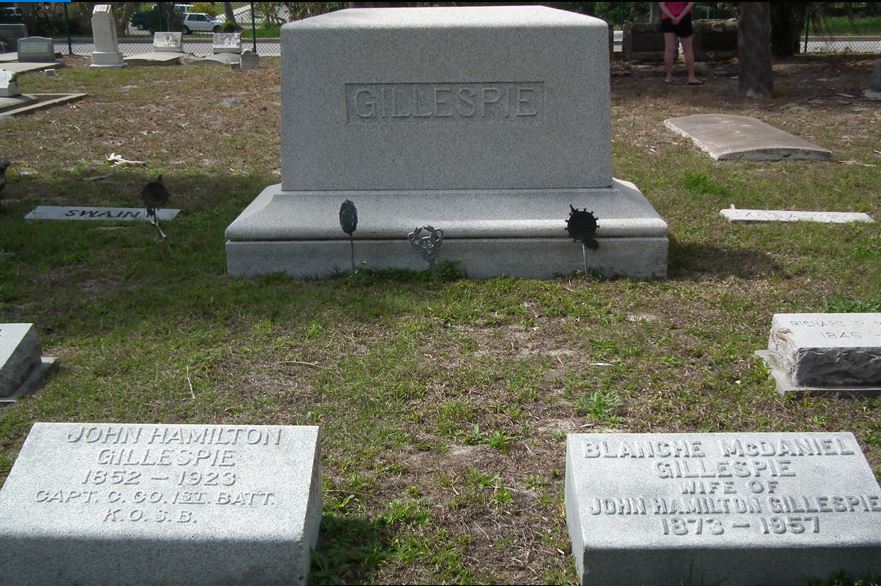
Sarasota’s modern story begins with a set of golf clubs. Colonel John Hamilton Gillespie, a Scot, arrived in 1886, and that May he laid out a practice course with two greens and one long fairway. Few in the small village knew what he was up to, but it was among the earliest golf played in the United States, and it is why Sarasota calls itself the cradle of American golf.
Gillespie later built a nine-hole course on land east of present-day Links Avenue. He became Sarasota’s first mayor in 1902 and served six terms before his death in 1923.
His legacy lives on at Bobby Jones Golf Club. The city course opened on June 5, 1926, with an 18-hole layout by Donald Ross, and Bobby Jones himself dedicated it in February 1927 before a crowd of several thousand. After a full restoration to the original Ross design, it reopened on December 16, 2023, alongside a nine-hole par-three course named the Gillespie.
The builder
Owen Burns and the boom years
Owen Burns settled in Sarasota in 1910 and, for a time, owned most of the land the city sits on. A banker, builder and developer, he dredged the bay, built seawalls and bridges, and gave downtown many of its landmarks.
Burns went into partnership with John Ringling to develop the barrier islands he owned. His construction company built the Ringling causeway to St. Armands and Lido Key, and he was the builder of Ca’ d’Zan, the Ringlings’ mansion on the bay.
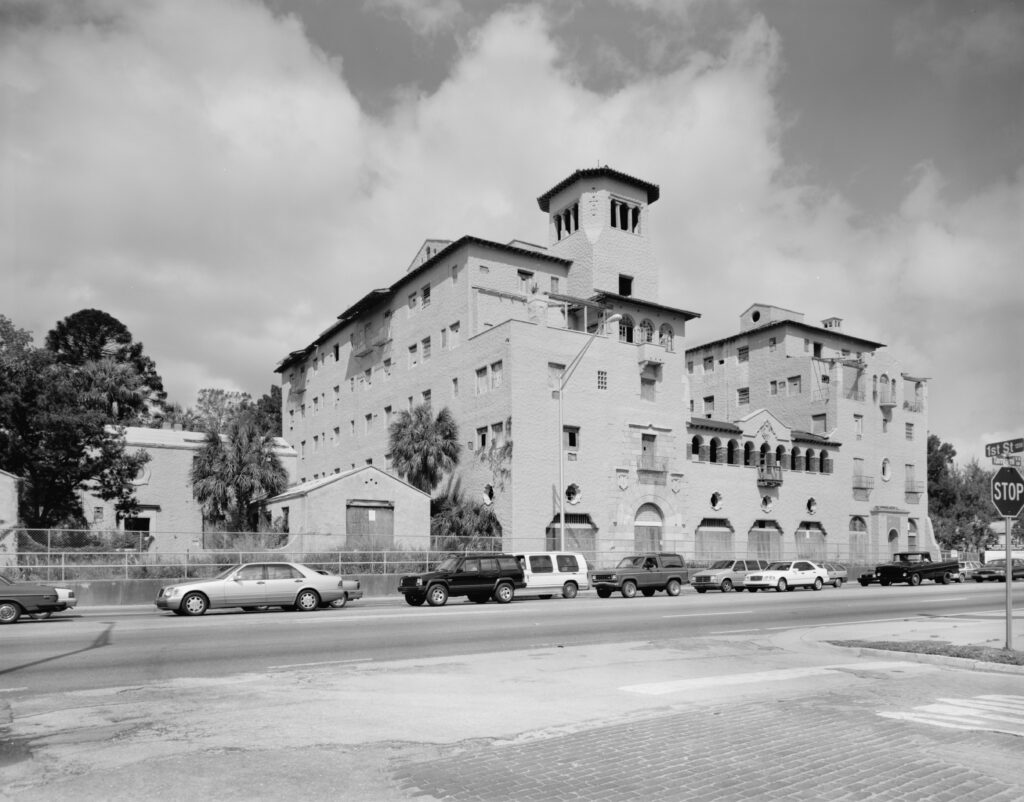
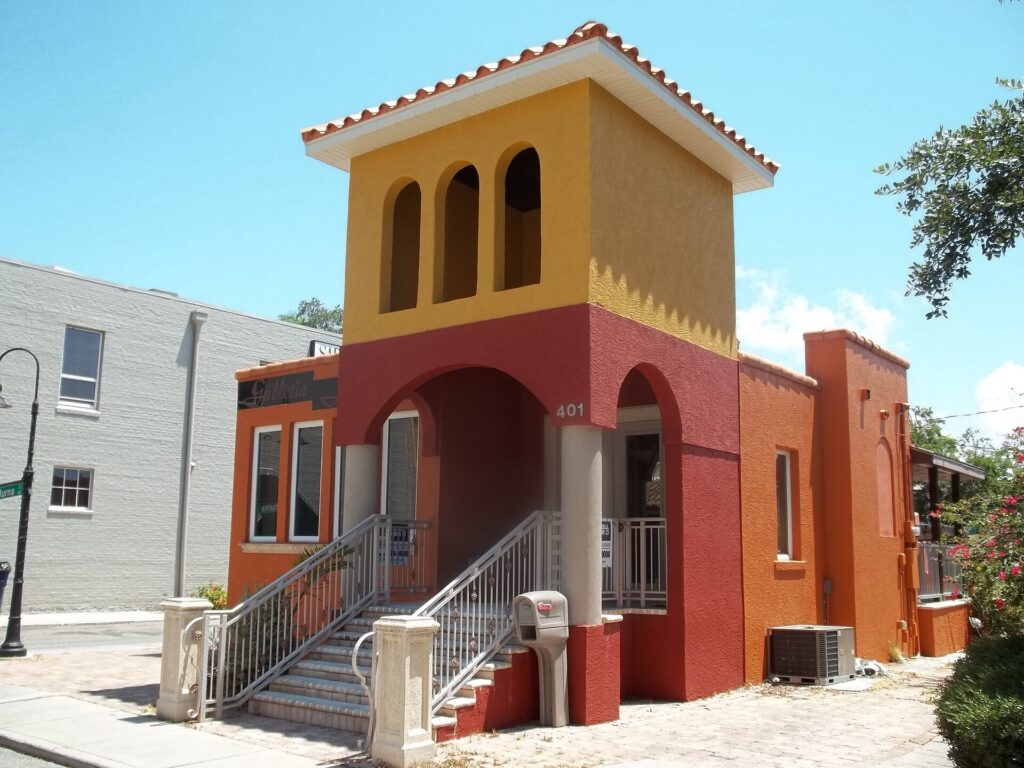
He also built Burns Court, a cluster of Mediterranean-style cottages meant to tempt winter visitors into buying homes, and the El Vernona Hotel, designed by Dwight James Baum and named for his wife. It opened with a grand ball on New Year’s Eve 1926, just as the Florida land boom collapsed. Burns lost the hotel, which became the John Ringling Hotel, and he died in 1937.
The showman
John Ringling’s Sarasota
John and Mable Ringling began spending winters in Sarasota in 1909. Over the next two decades John, the most flamboyant of the circus brothers, bet heavily on the town.
- 1925: Ringling builds the first bridge to the keys, opening St. Armands and Lido to development.
- 1926: Ca’ d’Zan, the couple’s Venetian Gothic mansion on Sarasota Bay, is completed.
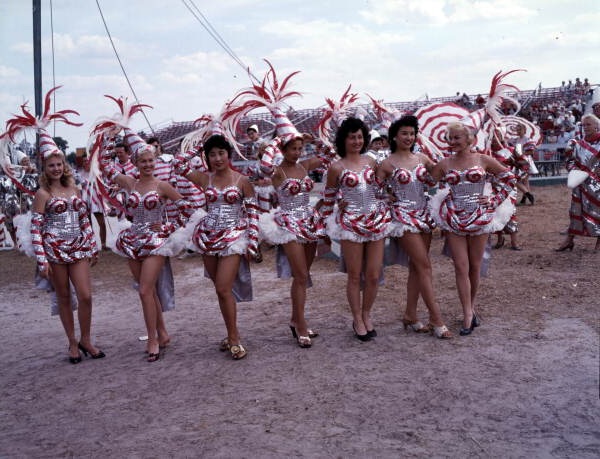
- 1927: The Ringling circus moves its winter quarters to Sarasota, bringing performers and crowds to town every winter.
- 1936: Ringling dies and leaves his mansion, his art museum and its collection to the State of Florida.
That bequest became The Ringling, today one of the country’s largest museum complexes.
History you can still visit
Much of this story is still standing, and most of it is a short drive apart.
Bayfront, north of downtown
Ca’ d’Zan and The Ringling
The Ringlings’ mansion, art museum and Circus Museum, all on the bay.
Pineapple Avenue
Burns Court
Owen Burns’s 1920s cottages, now home to galleries and Owen’s Fish Camp.
1000 Circus Blvd
Bobby Jones Golf Club
The restored 1926 Donald Ross course and the nine-hole Gillespie.
61 N Pineapple Ave
Sarasota Opera House
Built in 1926 as the Edwards Theatre, now home to Sarasota Opera.
Sarasota history, answered
Why is Sarasota called the cradle of American golf?
Colonel John Hamilton Gillespie built a practice course here in 1886, among the earliest golf in the United States, and later a nine-hole course. He became Sarasota’s first mayor.
When did the circus come to Sarasota?
The Ringlings wintered here from 1909, and the circus moved its winter quarters to Sarasota in 1927. The Circus Museum at The Ringling tells the story.
Who was Owen Burns?
A developer who once owned most of Sarasota’s land. He built the Ringling causeway, Ca’ d’Zan, Burns Court and the El Vernona Hotel.